Transport
The transport sector can be categorized based on energy demands into four segments: road, rail, water, and air. Each segment is divided into specific energy demands whose values are extrapolated based on Shared Socio-economic Pathways (SSP) (Riahi, 2017). These demands are satisfied by various fuels combined and assembled through so-called FuelTechs designed to represent realistic energy supply for each category. The initial shares for supply energy demands are extracted from (IEA, 2020). The following subsections detail the topology and assumptions to satisfy and decarbonize transport energy demands.
Aviation
As shown in Figure 1, the international and domestic energy demands for aviation include heavy fuel oil, diesel and jet fuels, gasoline, but according to (IEA, 2020) jet fuel make almost 100% energy input shares. Both can be decarbonized by synthetic fuels but biofuels are not considered.
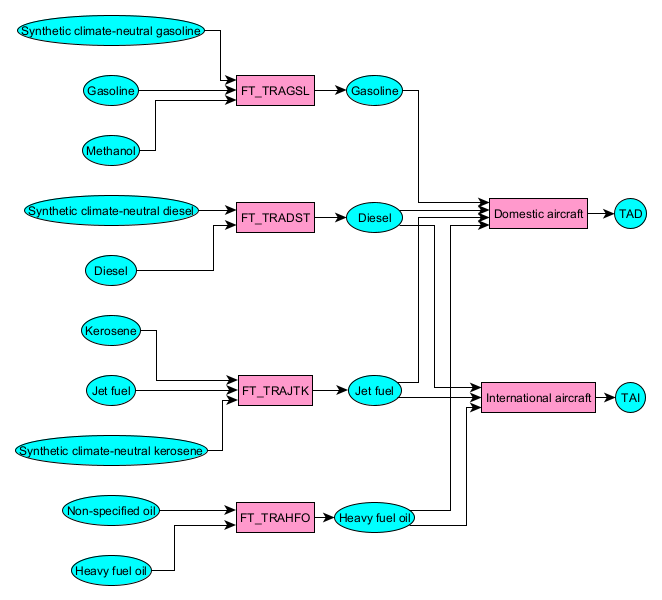
Figure 1: Fuel supply for aviation in TIAM-FR
Navigation
As shown in Figure 2, the international and domestic energy demands for maritime transport include heavy fuel oil, diesel, kerosene, gasoline. Both can be decarbonized by synthetic fuels and biodiesel.
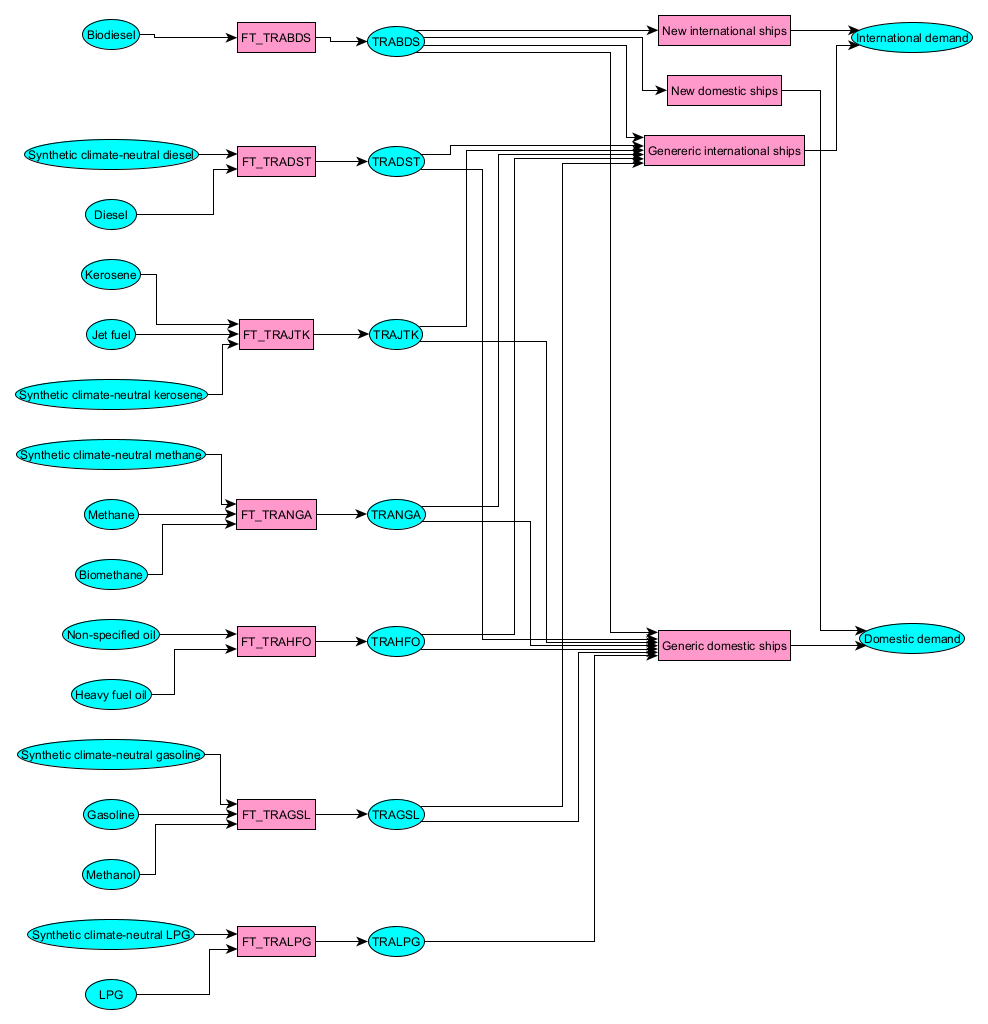
Figure 2: Fuel supply for navigation in TIAM-FR
Road
The demand for transport road is split into different vehicle-based categories whose fuel and technologies differ whether it cars, trucks or 2-wheel vehicles.
Fuels
In terms of fuels, the demand for road transport can be satisfied with the fuels displayed in Figure 3
 Figure 3: Fuel supply for the road transport sector in TIAM-FR
The model has the opportunity to blend gasoline with methanol by up to 15% from 2030 onwards.
Technologies
Existing technologies for buses are or powered by conventional fuels as Table 1 shows. Innovative technologies more efficient engines for the fuels already available in the base year, as well as engines that can be supplied with low-carbon fuels.
Table 1: Existing and innovative fuels and technologies for road transport
Demand sector |
Existing fuels and technologies |
Innovative fuels and technologies |
|---|---|---|
Road bus |
Biodiesel, diesel, biogasoline, gasoline, electricity, fossil gas, biogas, LPG |
Ethanol, methanol, diesel, hydrogen fuel cells |
Commercial trucks |
Biodiesel, diesel, biogasoline, gasoline, electricity, fossil gas, biogas, LPG |
Ethanol, methanol, diesel, hydrogen fuel cells |
Heavy trucks |
Biodiesel, biogasoline, diesel, gasoline, fossil gas, LPG |
Diesel, gasoline, ethanol, methanol, gas, LPG, hydrogen fuel cells |
Road medium trucks |
Biodiesel, Biogasoline, diesel, gasoline, electricity, LPG, gas |
Diesel, gasoline electricity, ethanol, LPG, gas |
Road cars |
Biodiesel, Biogasoline, diesel, gasoline, electricity, LPG, gas |
Diesel, gasoline, ethanol, methanol, gas, hydrogen fuel cells, hydrogen combustion |
Road light vehicle |
Biodiesel, Biogasoline, diesel, gasoline, electricity, LPG, gas |
Diesel, gasoline, ethanol, methanol, gas, hydrogen fuel cells, hydrogen combustion |
Three wheels |
Diesel, gasoline |
Biodiesel, Biogasoline, methanol, diesel, gasoline |
Two wheels |
Biogasoline, gasoline |
Biogasoline, gasoline |
Rail
The energy demands for passenger trains and freight include heavy fuel oil, diesel, gasoline, coal, electricity, and LPG. Alternative fuels include biodiesel, biogasoline and additional synthetic fuels.
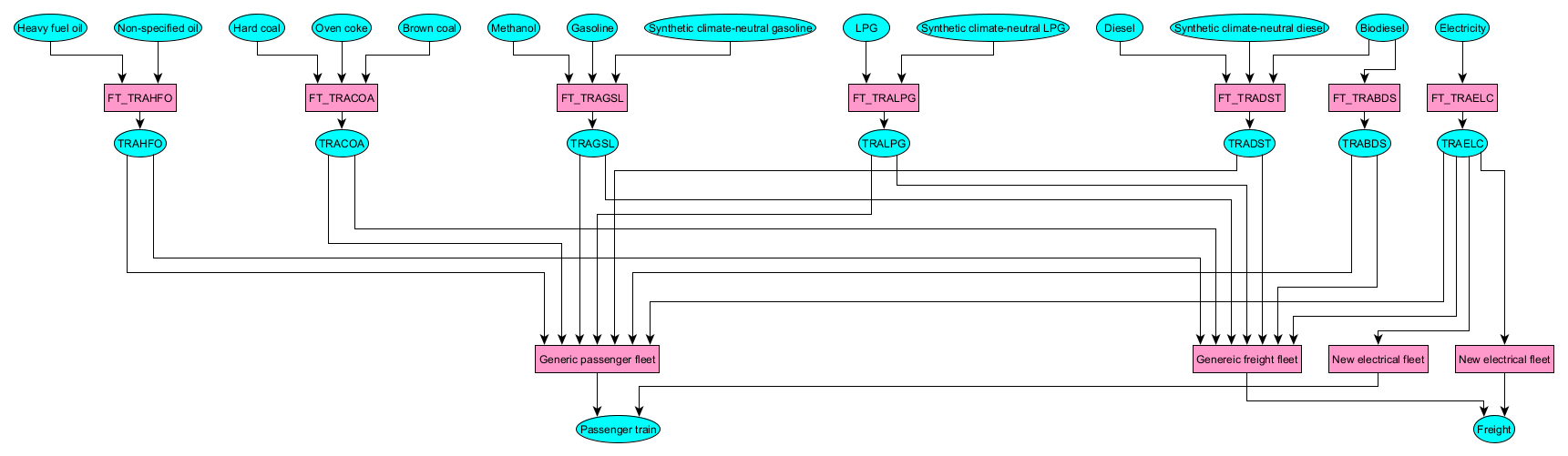 Figure 4: Fuel supply for rail in TIAM-FR
References
Riahi, K., van Vuuren, D.P., Kriegler, E., Edmonds, J., O’Neill, B.C., Fujimori, S., Bauer, N., Calvin, K., Dellink, R., Fricko, O., Lutz, W., Popp, A., Cuaresma, J.C., Kc, S., Leimbach, M., Jiang, L., Kram, T., Rao, S., Emmerling, J., Ebi, K., Hasegawa, T., Havlik, P., Humpenöder, F., Da Silva, L.A., Smith, S., Stehfest, E., Bosetti, V., Eom, J., Gernaat, D., Masui, T., Rogelj, J., Strefler, J., Drouet, L., Krey, V., Luderer, G., Harmsen, M., Takahashi, K., Baumstark, L., Doelman, J.C., Kainuma, M., Klimont, Z., Marangoni, G., Lotze-Campen, H., Obersteiner, M., Tabeau, A., Tavoni, M., 2017. The Shared Socioeconomic Pathways and their energy, land use, and greenhouse gas emissions implications: An overview. Global Environmental Change 42, 153–168. https://doi.org/10.1016/j.gloenvcha.2016.05.009